

Oceanscapes
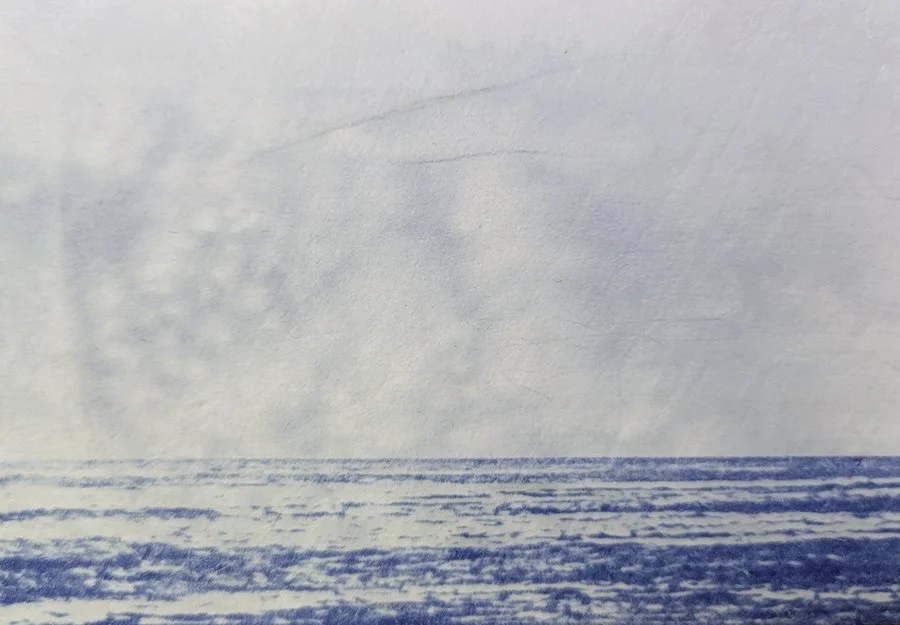
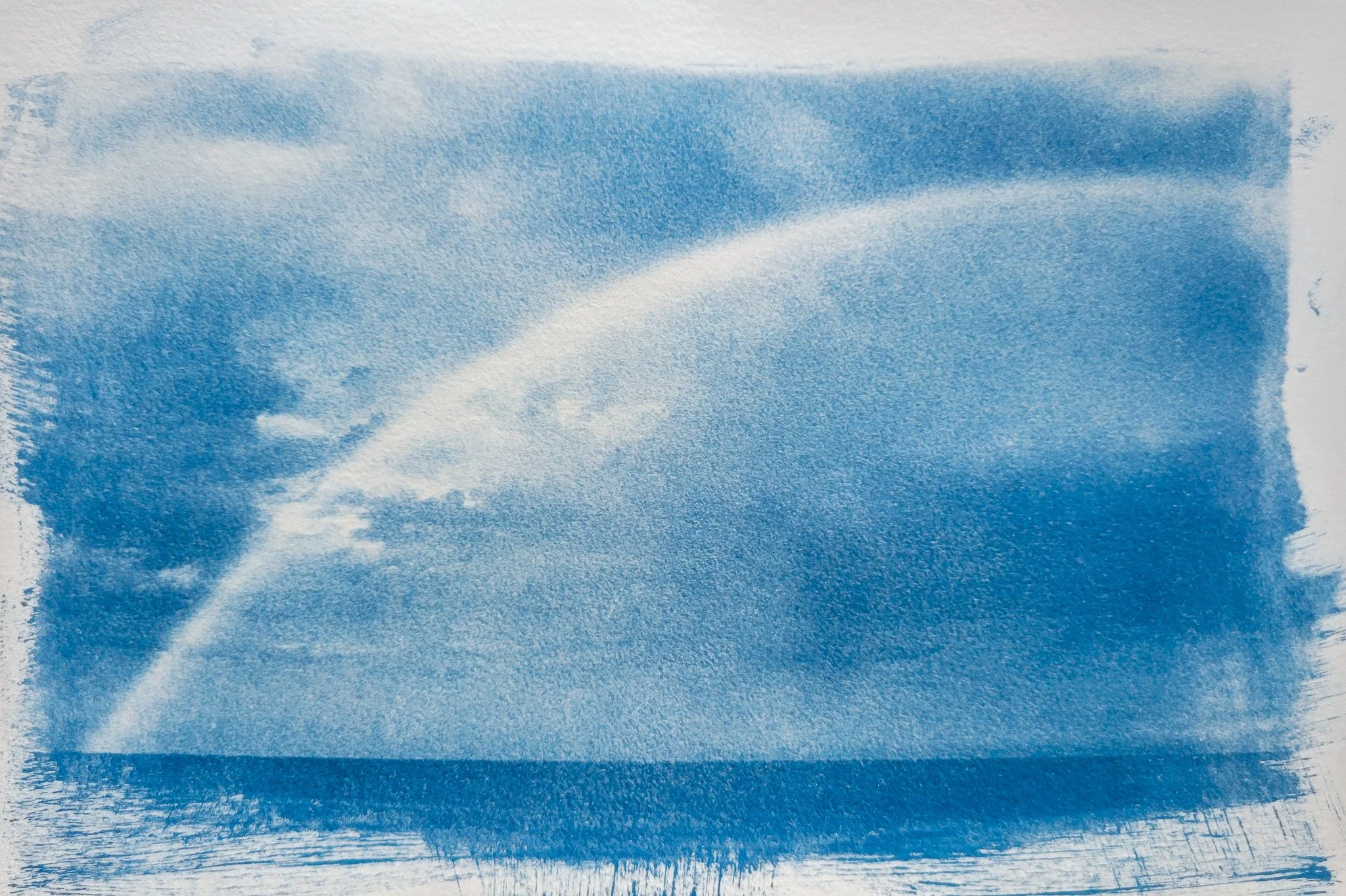
Sand. Sea. Sky.
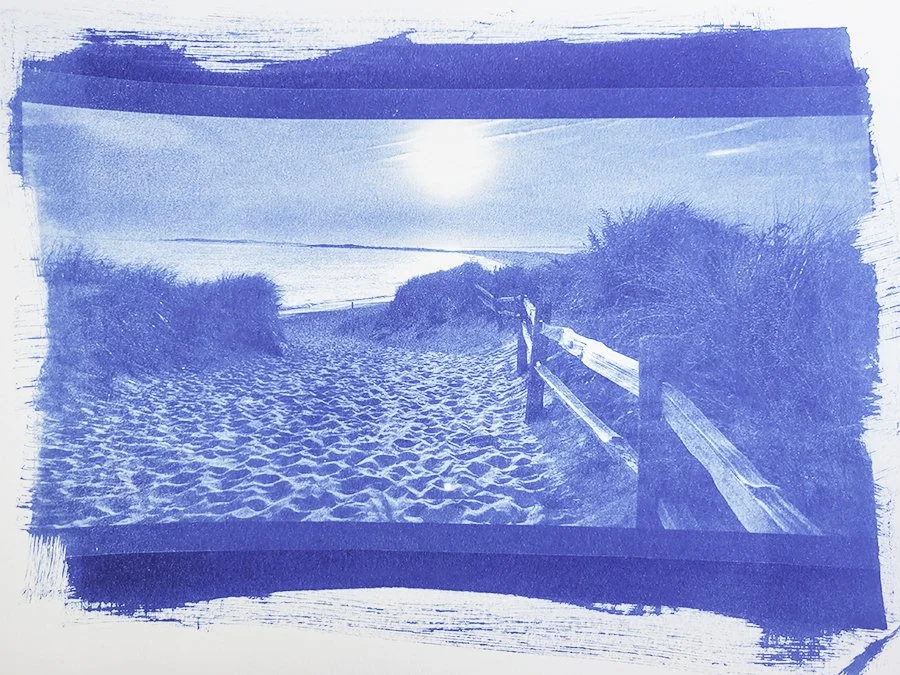
The dunes of New England can be solitary. A place to find yourself as you become lost in the endless expanses of sand and sea. A quiet place of meditation, or a ferocious landscape of storms, wind, and waves.
These coastal areas have changed over the centuries, even within my own lifetime, but have never ceased to inspire those who are lucky enough to live among them.
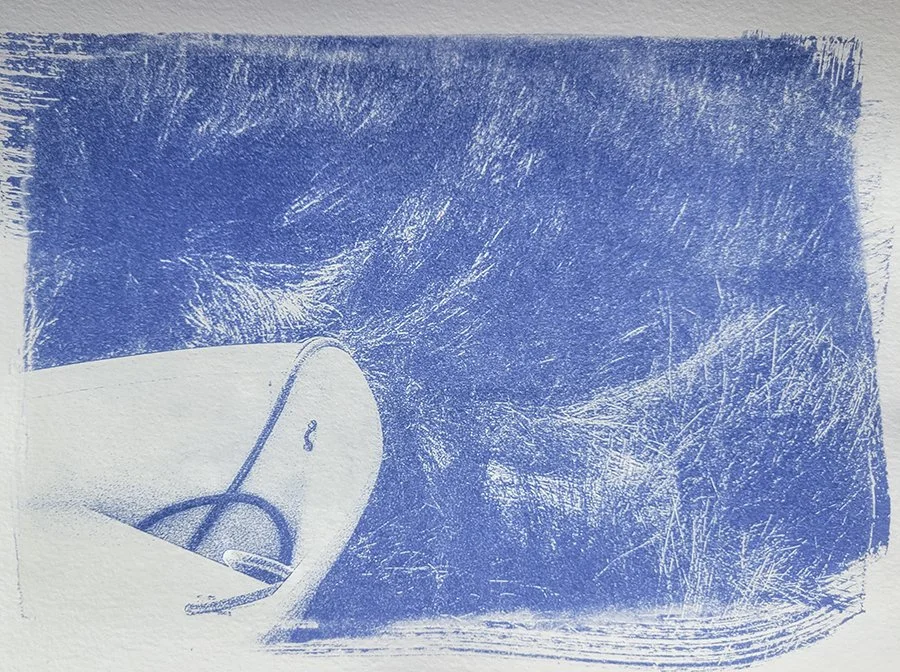
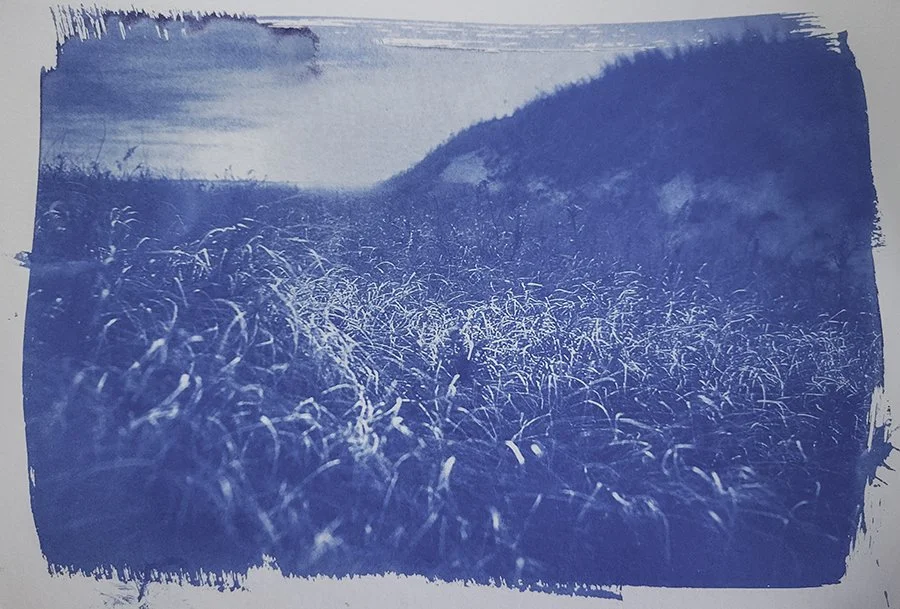
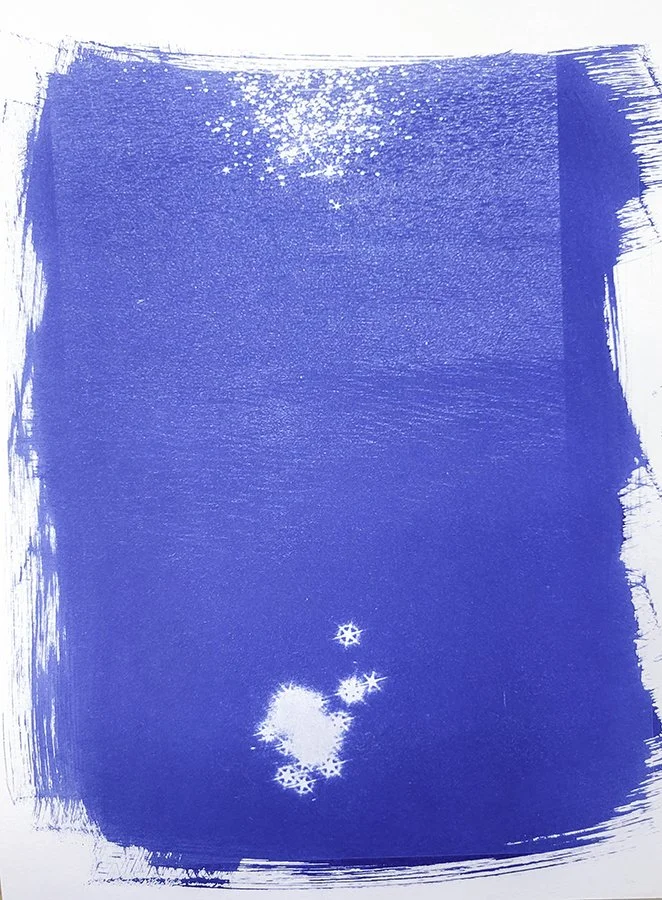
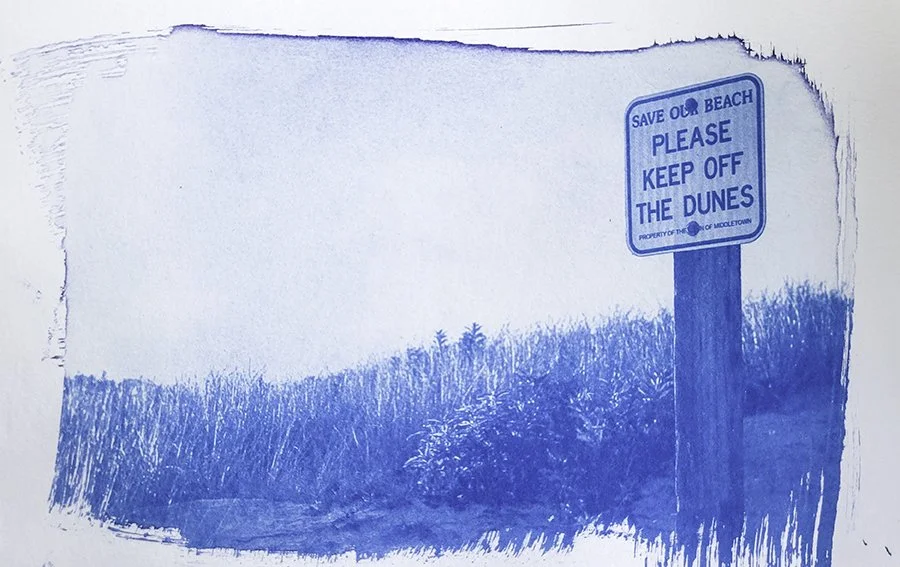
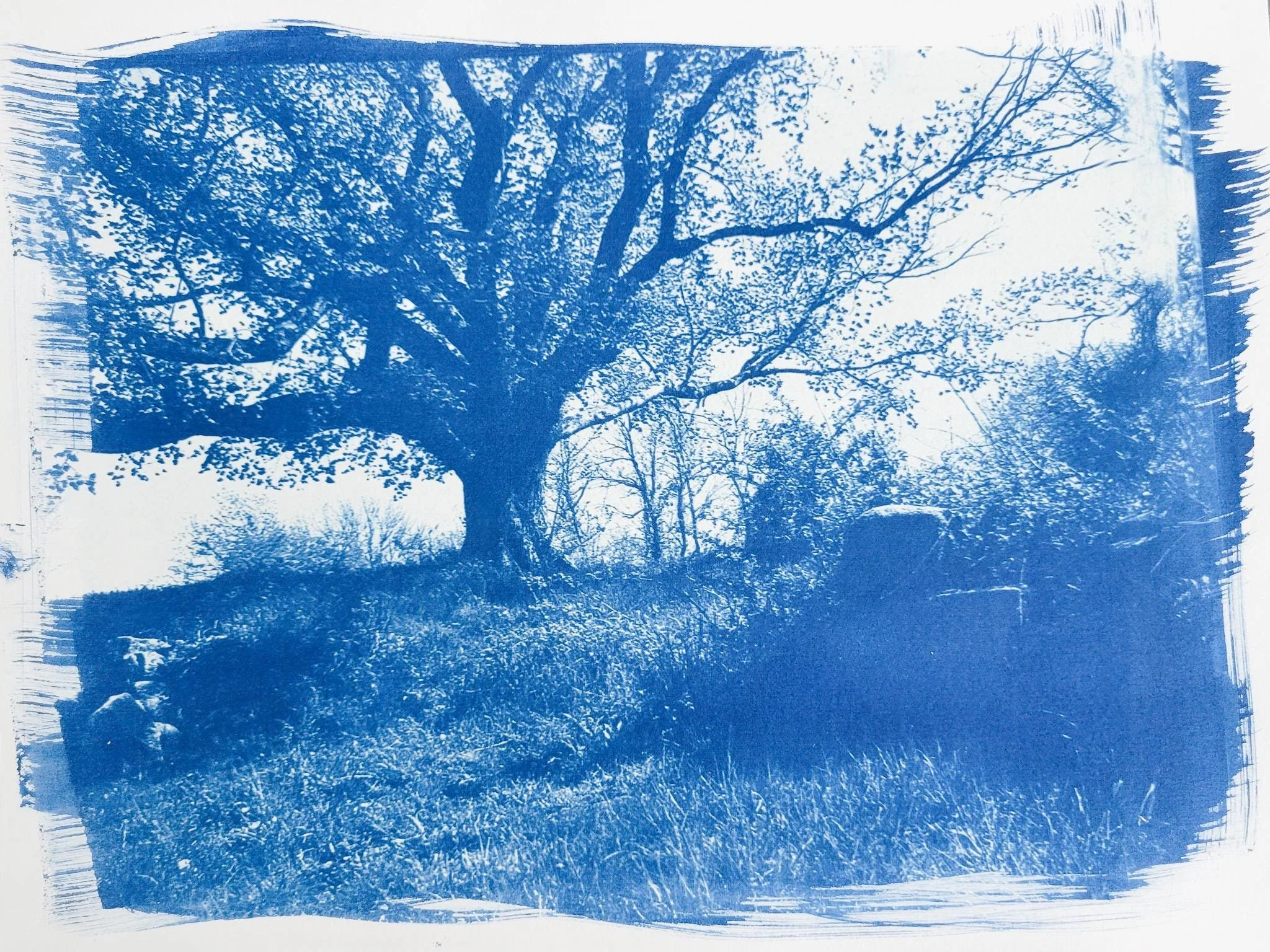
This exploration of the coast is an exploration of the self. With a sense of wonder and appreciation, I use aging technology–decades old film cameras, sometimes expired film, and the antiquarian process of cyanotype–to capture the magic of the New England coast and delve into my connection to place.
These coastal New England photographs are a study in interdependence, a reclaiming of a sense of home, and a demonstration of strength and beauty. This beautiful landscape has become an integral part of my life that I can’t imagine living without. I now seek to find my place in the dunes.

To view a slideshow of larger images click on a cyanotype.









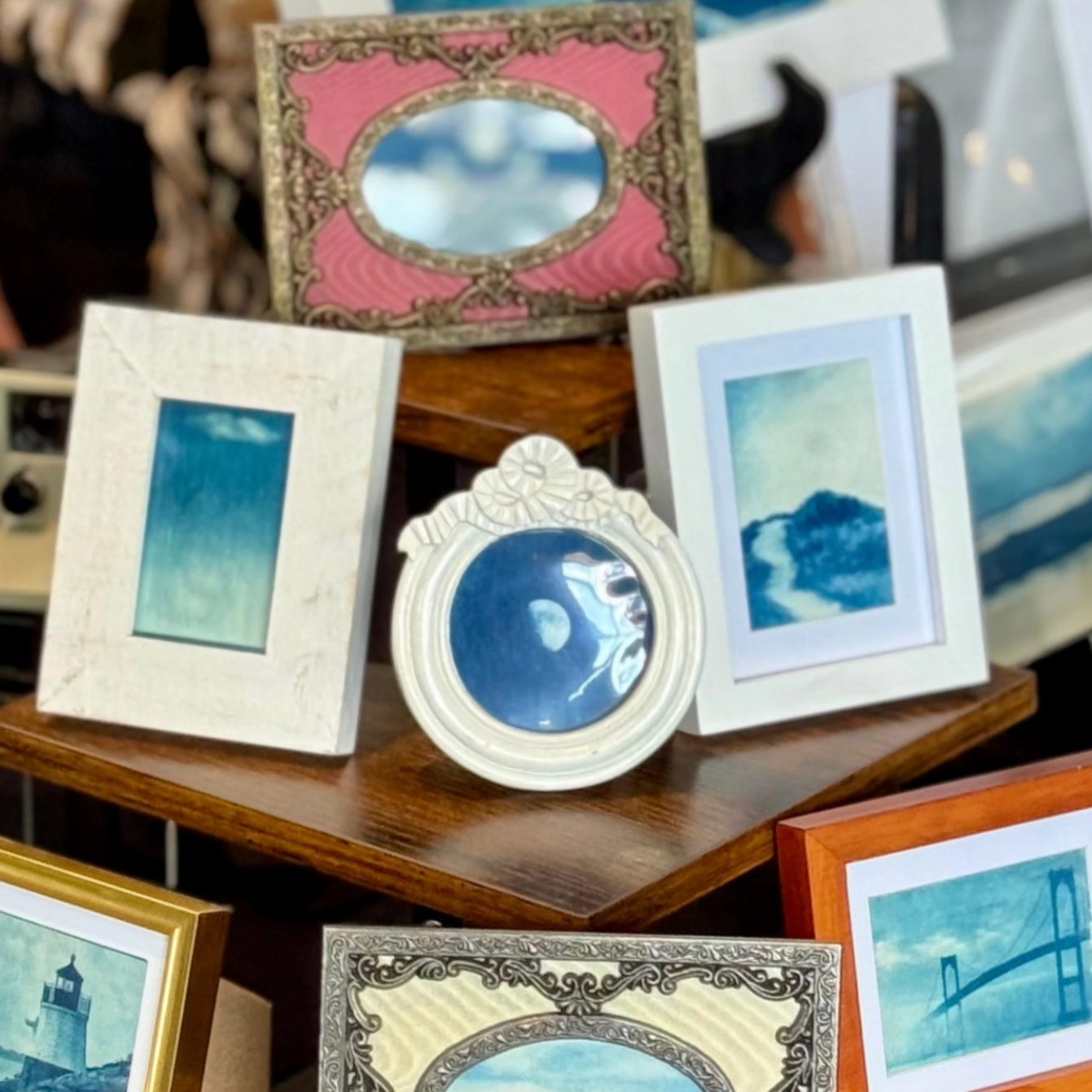
A Nod to the Past
I’ve been pairing some of my cyanotypes with vintage, thrifted frames lately. Each one feels like it comes with its own history—small details, worn edges, things you wouldn’t find new.
I love the connection back to the past, especially with a process like cyanotype which is already full of nostalgia. It adds another layer to the work without trying too hard. It also makes each print, unique on its own, seem even more one-of-a-kind.
I enjoy the hunt for these frames. It’s worth keeping an eye out on your travels—you never know what you’ll come across, or the stories they keep.
About Cyanotypes
Cyanotypes were most popular from the 1880s to the 1920s, favored for their low cost, simplicity (requiring only water to fix), and distinct deep blue color. While invented in 1842, they gained widespread use as a common amateur photography format, an artistic medium during the Arts and Crafts movement, and the standard for architectural blueprints until the 1940s.