How to improve your chances of getting into an artist residency.
So you want to be accepted into an artist residency. Maybe you’ve applied and been rejected, or maybe you’re a hopeful new applicant with no experience. Either way, here are a few pointers that have helped me to get into residencies.
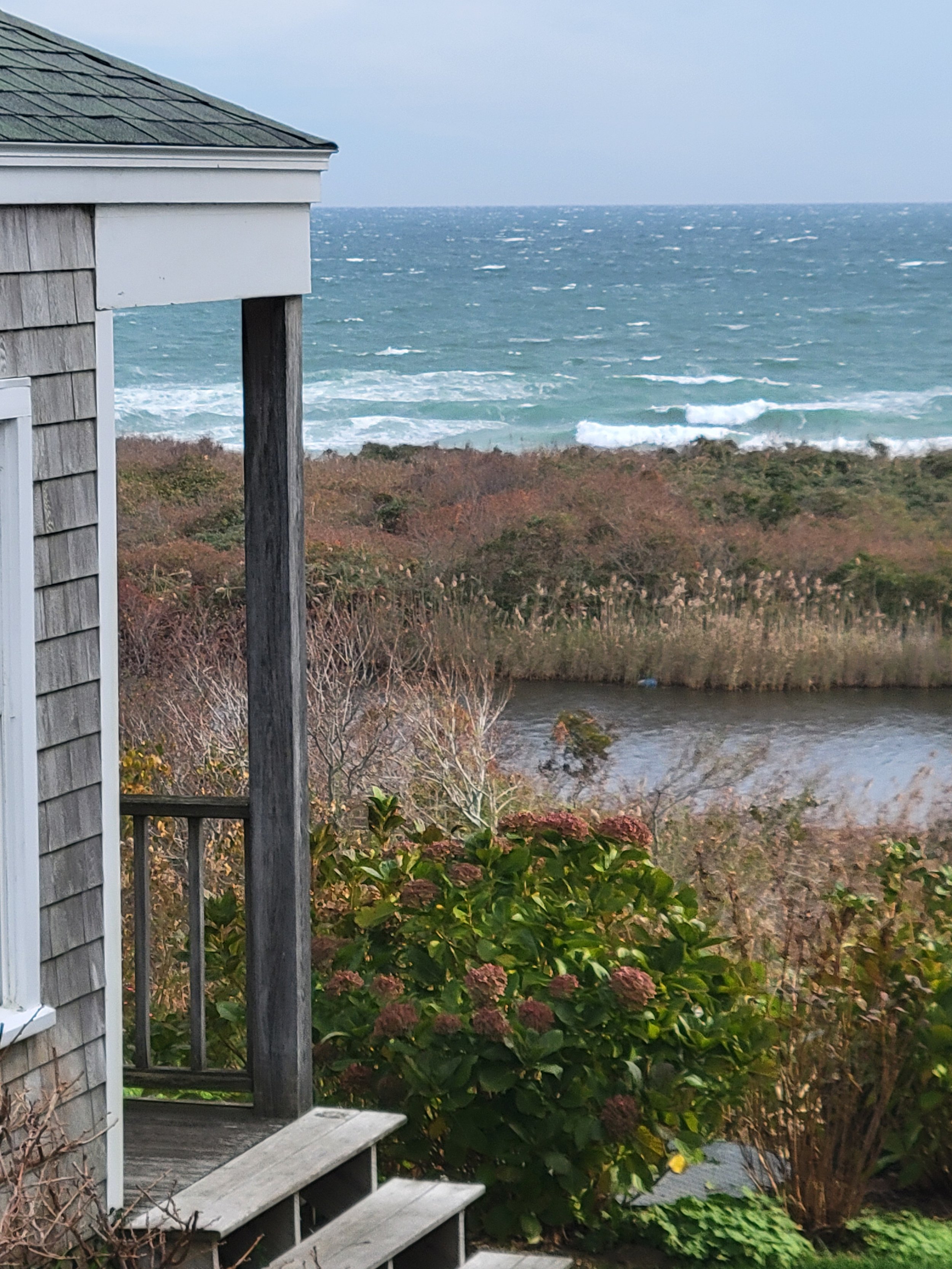
a residency by the sea
Research, Research, Research.
Take a deep dive into finding out more about your chosen residency. Read their FAQs and any page on their website that talks about the program. Check their social media, too. Try to find out who’s been accepted to previous sessions. Gather as much information as you can.
Once you know everything there is to know, you can start your application. Residency programs are looking for people who share their values. By researching previous residents and reading more about them, you can get an idea of the types of artists they typically include. Once you know that, you can tailor your application to suit the program.

residencies can help you see things you normally wouldn’t
A few types of residency programs.
Some residencies lean towards activism—
They want to support folks who are doing work to raise awareness of social or environmental issues. If your work isn’t about that kind of thing, don’t lie on your application. That just means the program isn’t the right fit. There are plenty of others to choose from. My most recent residency was one of these types of retreats. The project I worked on, Oceanscapes, is about documenting the coastline as it changes over time. That proposal was exactly what the Sea Breeze was looking for.
Other residencies are simply looking to support artists in any way they can—
You don’t need to be working on anything world-changing, and there may not be any requirements for giving talks, workshops, exhibitions, or even completing a body of work. I applied to a year-long residency in Long Island, and was so close to being accepted. In the end, the selection panel chose an artist who expressed a greater financial need than I did. This program was truly just looking to help out a struggling artist.
There are also residencies that want their residents to have a body of work finished—
There may be an exhibition at the end of the program. You may have proposed to work on a particular project with a specific end goal, and they expect you to complete this project. If you want something without a lot of pressure, these types of residencies may not be for you. But if this appeals to you, it’s a great way to advance your art practice.
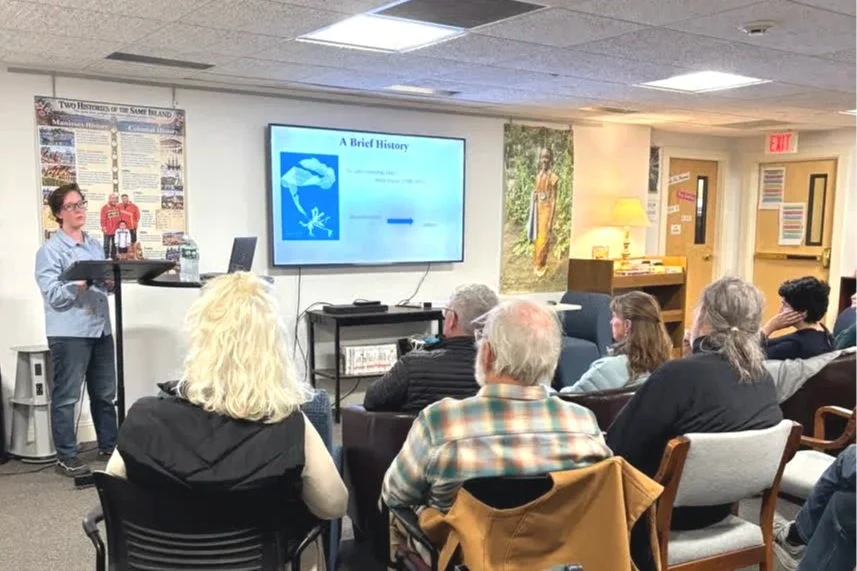
giving a talk is sometimes a residency requirement
The application.
I recommend writing drafts of your application questions in a separate document before filling out the actual application online. With the core values of the program you’re looking at in mind, think about how your work fits in. What can you bring to the table? How will your work help people? What does this particular residency offer that will benefit your work? Think about all of these questions while drafting your answers.
If you work in multiple mediums (I am a writer/poet and a photographer), use words like multidisciplinary or interdisciplinary artist. Highlight that you are versatile, that you’ve won awards, and any experience you have that is relevant. Make sure your project has some kind of deeper meaning. Most fellowships probably won’t select someone who just wants to make something pretty without thinking it through all the way. Potential topics include:
social or environmental activism,
exploration of dreams and memories,
the human experience,
highlighting a particular culture,
documentary projects,
pushing the boundaries of the medium you’re working in.
Discussing this in your application will give you a leg up over the other applicants who might not have figured out what their work is really all about.
“Don’t be afraid to talk yourself up.
You want yourself and your work to shine.”
I think it’s also important to write in your own unique voice. It’s not a bad idea to have a friend proofread your application answers. Make sure your perspective and style are present. AI can be helpful, but try not to rely on it to write your entire application. You want yourself and your work to shine, not a robot.
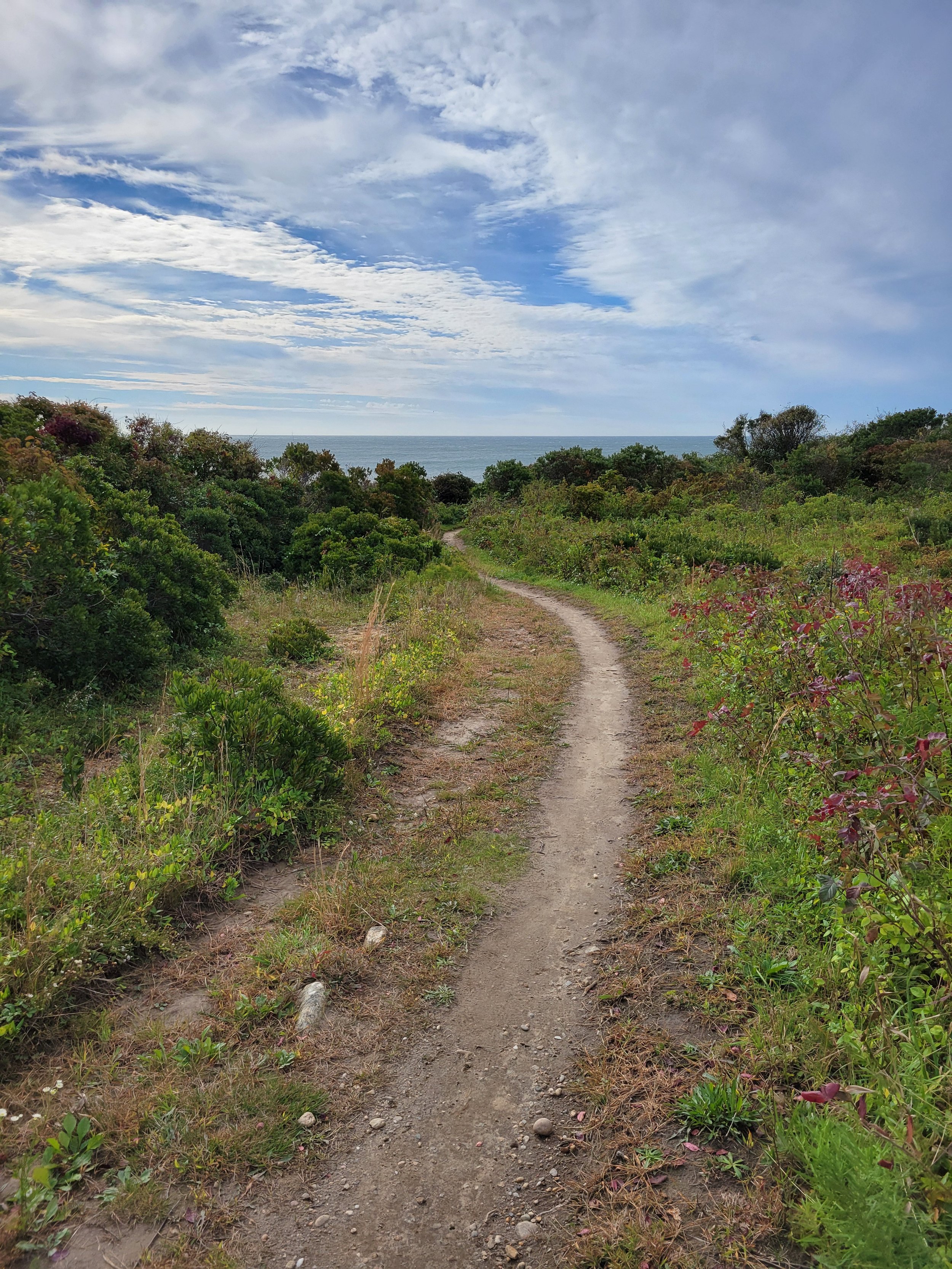
the road to a residency can be long, but it’s so worth it
To sum it up.
If you want to apply for an artist residency, there are a few ways you can stand out from the crowd. Make sure to get a good idea of what the selection panel is looking for. You can then make your application suit their wishes (but don’t lie). Keep in mind how the program can help your work, and how your work can help others. And don’t be afraid to talk yourself up - this is your opportunity to show people all the hard work you’ve put in to get where you are today. While this won’t guarantee your selection into a program, the tips included here have contributed to my acceptance into residencies. I hope they help you, too.
If you’ve enjoyed reading this article, be sure to sign up for my newsletter, where I showcase the creative life with stories, updates, and other helpful guides like this one.