Test Rolls: Kodak Portra 400 Film Review
Kodak is a household name, even for those who don’t shoot film. Just think of the phrase: It was a Kodak moment. To many, Kodak is the epitome of film, and their filmstocks still hold up today.
Portra 400 is one of my go-to color films. Over the last few years, I’ve shot it in both 120 and 35mm format, using TLR and SLR cameras and even my trusty Holga. Here is my honest review.
Portra film was created in the 1990’s specifically for the purpose of portrait and wedding photography. While it does create gorgeous portraits, its uses can be very broad outside of capturing people. I’ve shot both ISO 400 and 800, but in this post I’ll focus on the 400.
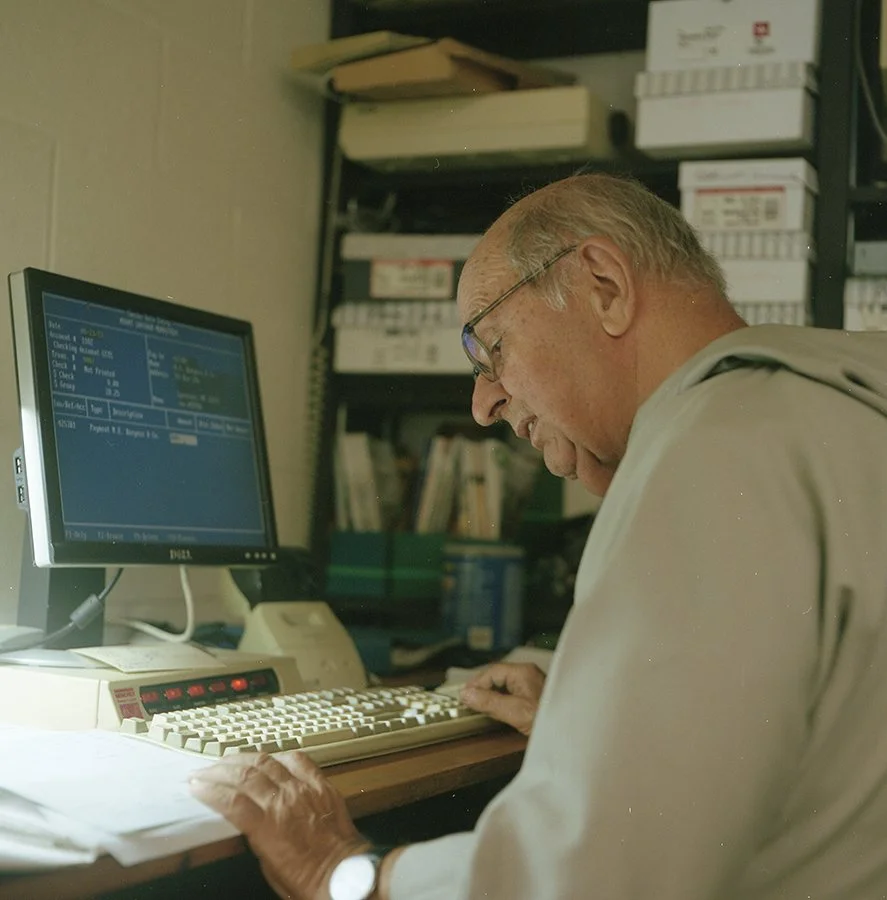
Portra in low light: portrait of a monk on a computer.
Mamiya C330.
ISO 400 film is usually my favorite because it’s so versatile. It can be used in lower light and bright sunshine with good results. Portra is also on the more forgiving side; if you don’t get the exposure just right, your photographs can probably still be saved. It’s known for its exposure latitude.
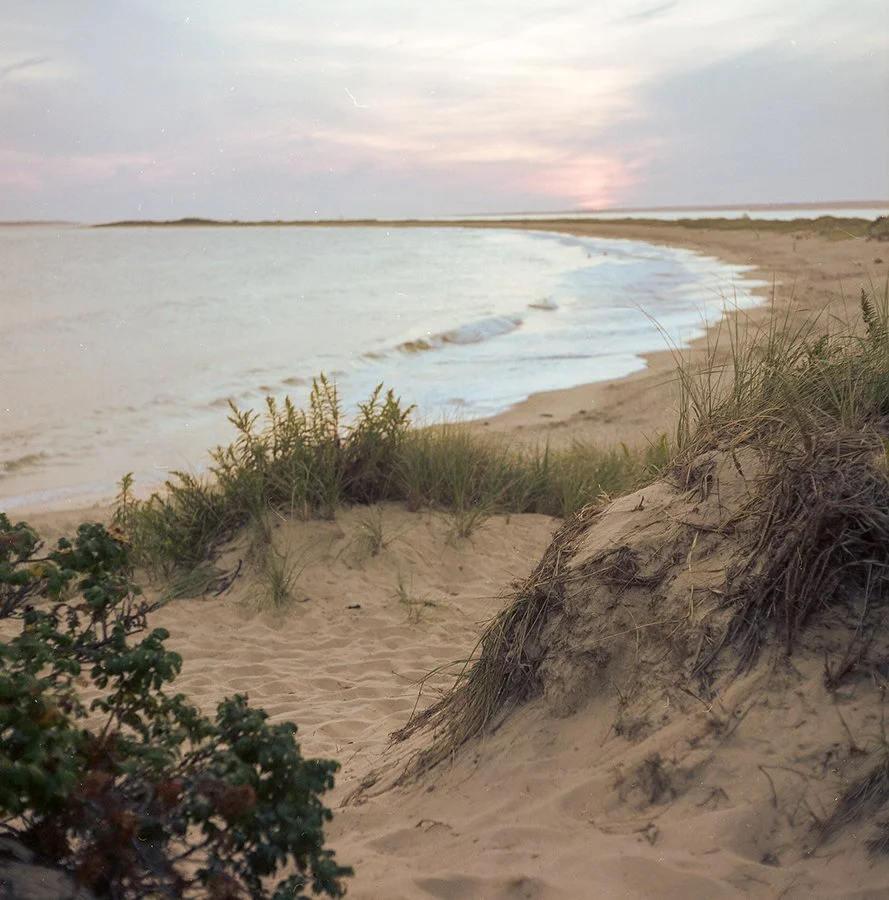
Portra at sunset: Napatree Point.
Mamiya C330.
Another thing Portra is known for is its fine grain structure. It can create soft, even dreamy images, and tends to be on the warm side. If you’re looking for something dramatic, punchy, high contrast, or ultra saturated, this is not the film for you. But if you’d like your photos to look nostalgic, smooth, or perhaps a bit muted, you’re in the right place.
It says a lot about the high quality of the film when you consider how popular Lightroom presets which mimic Portra are.
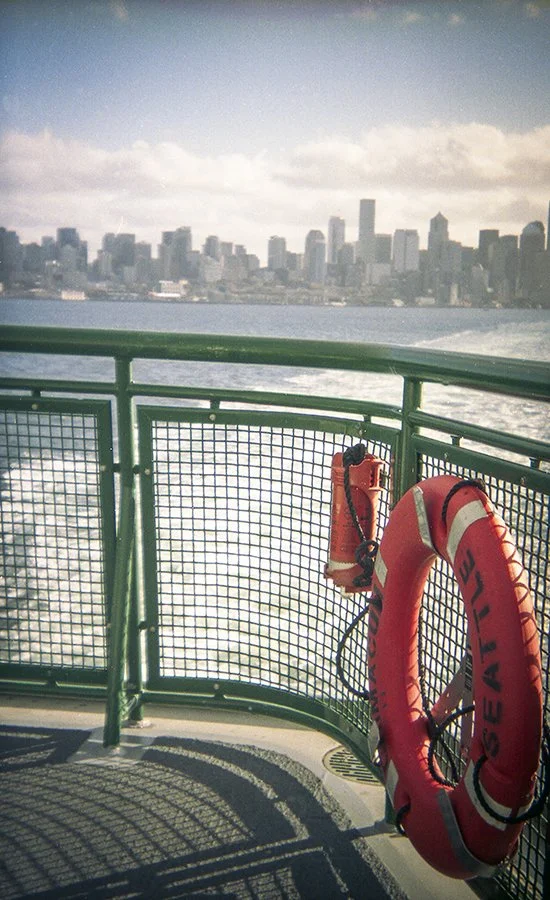
Portra in sunshine: Seattle-Bremerton Ferry.
Holga 135.
My personal workflow is hybrid, meaning I shoot film, then scan the negatives and make edits digitally. That being said, when shooting Portra 400, I find that the bulk of my Photoshopping is just dust spot corrections. This film stands on its own without the need for heavy editing. And as mentioned earlier, if you don’t get the exposure quite right, you can typically pull the details out of your scans and salvage the photo. There’s a reason it’s one of my favorites.
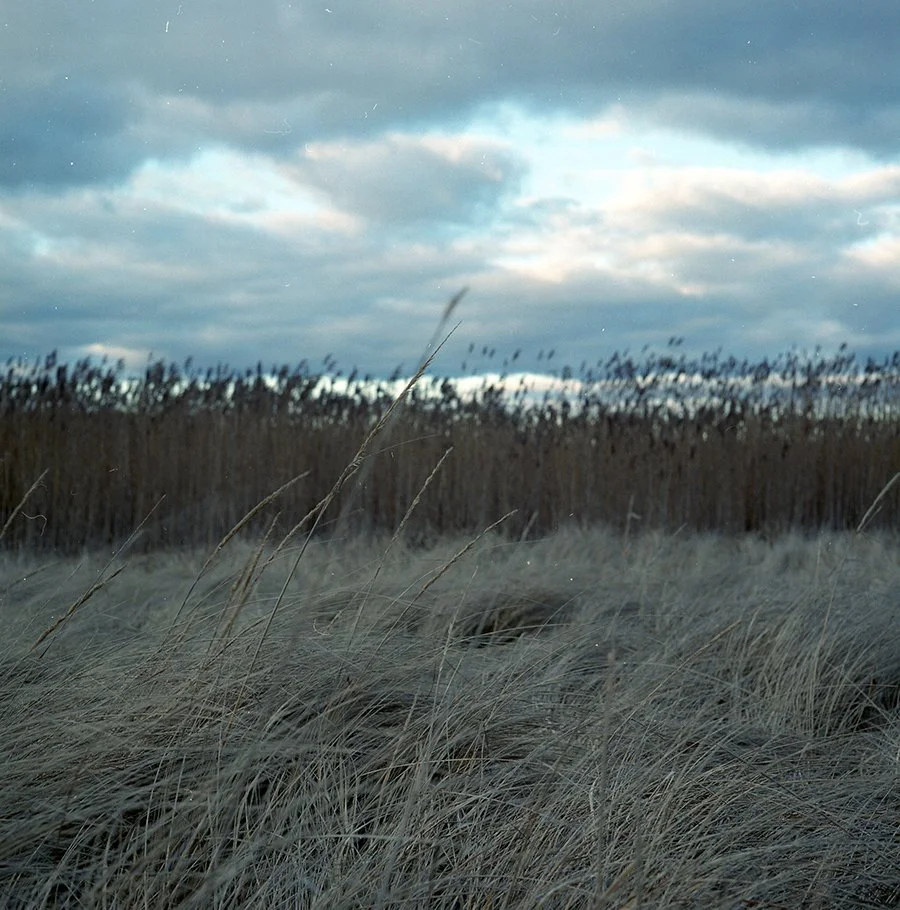
Portra at blue hour: grasses at Moonstone Beach.
Mamiya C330.
I typically purchase my Portra film in 5 packs, and I have to admit that it isn’t the cheapest film in the world. Depending if you are using 35mm or 120 film, you’re looking at $16-17 per roll. Although it does create some beautiful images, it’s up to you to decide what kind of budget you have for film, as it can get pretty pricey to shoot a lot of it.
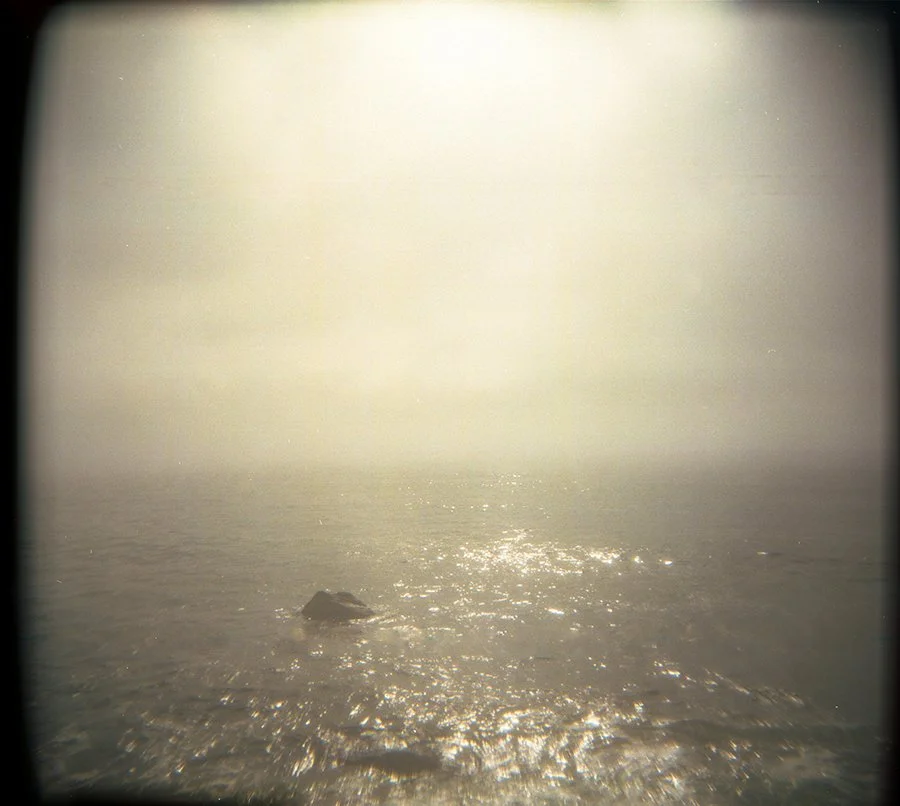
Portra in fog: Narragansett Seawall.
Holga 120.
Conclusion.
In the end, Portra 400 is a great choice for a wide variety of situations. Whether you’re photographing people or the landscape, during the day or at golden hour, this film gives consistently good results. It has a timeless beauty to it that might never go out of style. If you need something reliable, look no further than Portra.