Polaroid cameras have a long history. Though they were first invented in the 1940’s, today I’ll be talking about a camera that emerged onto the photography scene in the ‘70’s.
The Polaroid SX-70 camera was expensive but developed a cult following. Despite the praise for this camera, its film was discontinued in the early 2000’s. Soon afterward, a company called the Impossible Project restarted the manufacture of the sought-after film packs. Recently, The Impossible Project joined forces with Polaroid to create and sell their film.
However, the new film is not quite the same as the SX70 film you may remember from years ago. Specifically, I’ll be reviewing the black and white film. Read on to find out more about how this film looks and behaves.
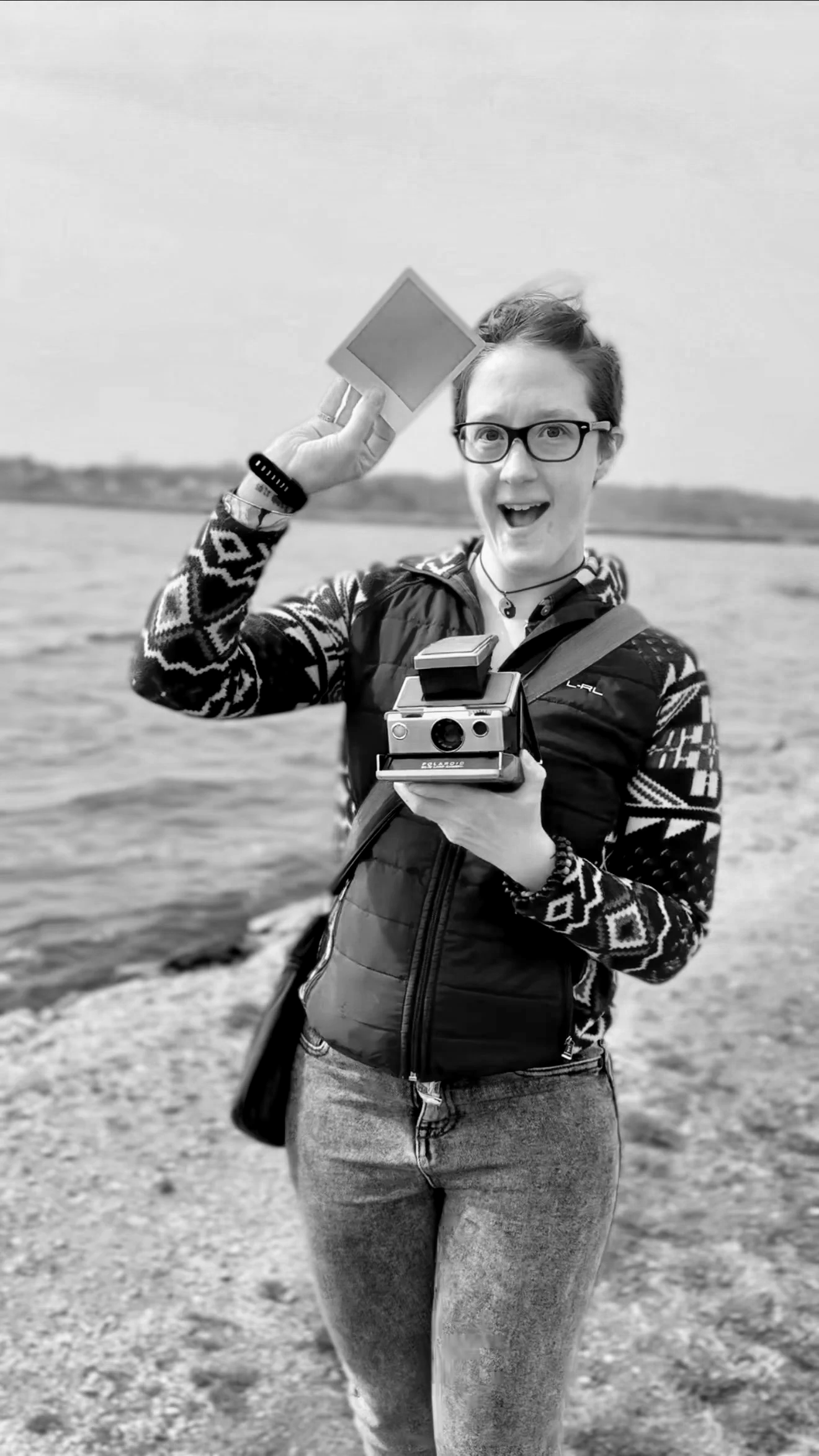
I love taking photos with my SX70. I’ve used a lot of both black & white and color film. My camera has some quirks that I’ve learned to adjust for. Overall, I know how to get a decent shot with the camera, but sometimes things don’t work out as imagined.
Black and white SX70 film is ISO 160—a different speed for those familiar with SLRs, and on the slower side. It’s best for brightly lit scenes, as a dark environment means a longer shutter speed. Since these cameras are generally handheld, that means you have some serious blur going on.

It was the middle of the day… was it darker than I thought, or just a bad exposure?
The SX70 has a manual focus dial as well as an exposure compensation dial. This means you can adjust your photos to be darker or lighter. This can be helpful if you know what kind of look you’re imagining, or if your camera is wonky like mine.
However, using the black and white film packs, I’ve had mixed experiences with exposure, even when adjusting the dial.
My photographs taken with this film have been all over the place. I’ve tried different batches of the film with different lot numbers and expiration dates. So many of them were unpredictable and reliable.
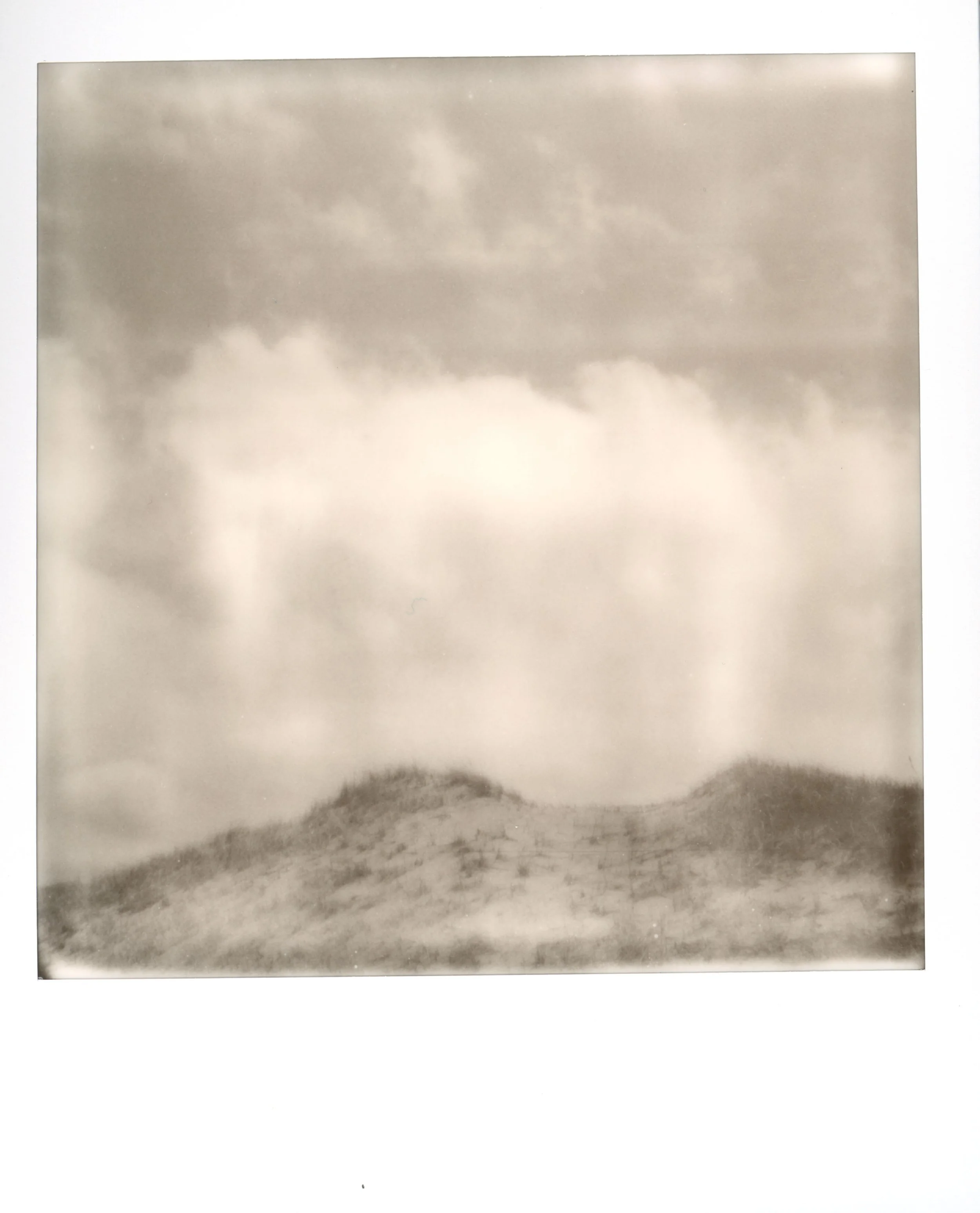
One of the only Polaroids from a Cape Cod trip that looked good.
Many of my photos came out under or over exposed. Quite a few came out completely blank.
I remember the disappointment when, relying on this film while on a trip to Cape Cod, I only got a single useable photograph - it was a complete waste of several packs of film.

One of many overexposed black and white Polaroids I’ve taken.
Compared to the original chemistry of this film, the new film takes longer to develop. Polaroids were never exactly instant (and no, you don’t “shake it like a Polaroid picture”—that can agitate the emulsion). With the old stock, your photos would develop within 10 minutes. These days, it seems to take at least a half hour.
It’s also more sensitive to light and temperature. I keep my exposed film in a metal tin to protect it from light while developing. If it’s under 70°F outside, I try to keep the tin in my jacket to keep the film warm. And if it’s colder than 50°F? Forget it.
And one more thing—on multiple occasions, I’ve had a pack of black and white film jam in the camera. The solution was to remove the pack and manually pull the Polaroid photo out of it, which resulted in a few lost shots… and this stuff isn’t cheap!
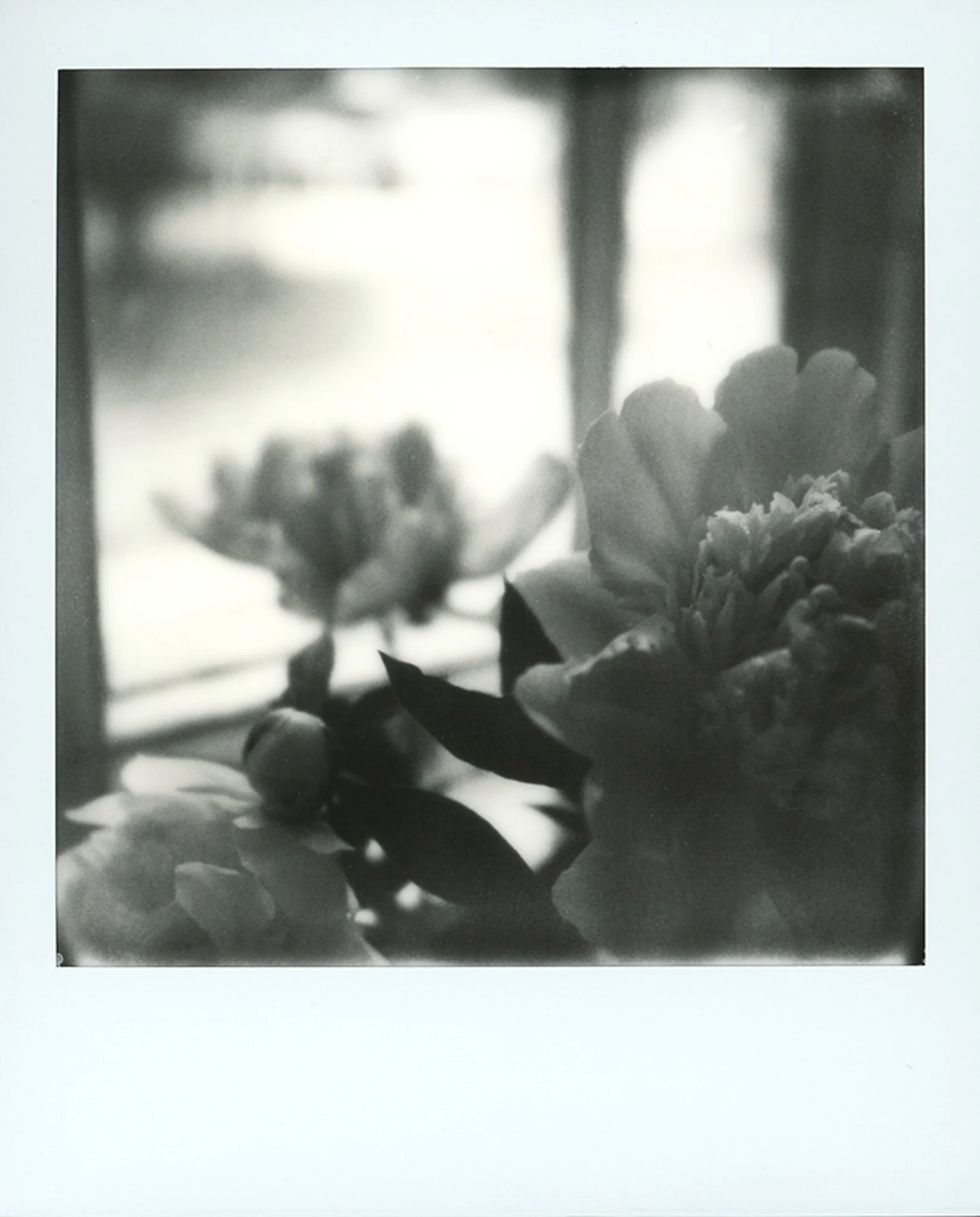
A Polaroid I was happy with!
Overall, I wouldn’t say I recommend shooting the black and white polaroid SX70 film. I’ve had much, much better experiences with the color.
However, I do see a lot of other photographers who seem to have decent results with the film. It makes me wonder: how many bad exposures did they get until a good one was ejected from the camera? Or, is my experience different than most other photographers?
Tell me— what has your experience been?
“Polaroid cameras are totally cool and so fun to use, but the SX70 can be hard to find. If you want to see some Polaroid photos that were actually a success, head over to my Patreon, where I share new photos, writings, extended galleries, stories, and send out snail mail.”