The Artist’s Portfolio.
What is a portfolio?
Put simply, it is a collection of your best work. It could be a collection of images from a particular project you’ve worked on, a mixture of multiple projects, or even a kind of retrospective gathering of works over time. It is a way of showing off the things you’ve created that you think people should see. It is a place where your favorite pieces can live, easily accessible. And it can be your key to exhibitions, grants, galleries, and other opportunities.
There is a bit of debate over how many images should be in your portfolio, with some people advising 3-10 and others 10-20. The number I personally aim for is 12-15 high quality photographs. If you don’t feel you have 15 exemplary pieces, it’s okay to have less, as long as they are your best work. It’s better to have a few really great examples rather than many that are maybe just mediocre.
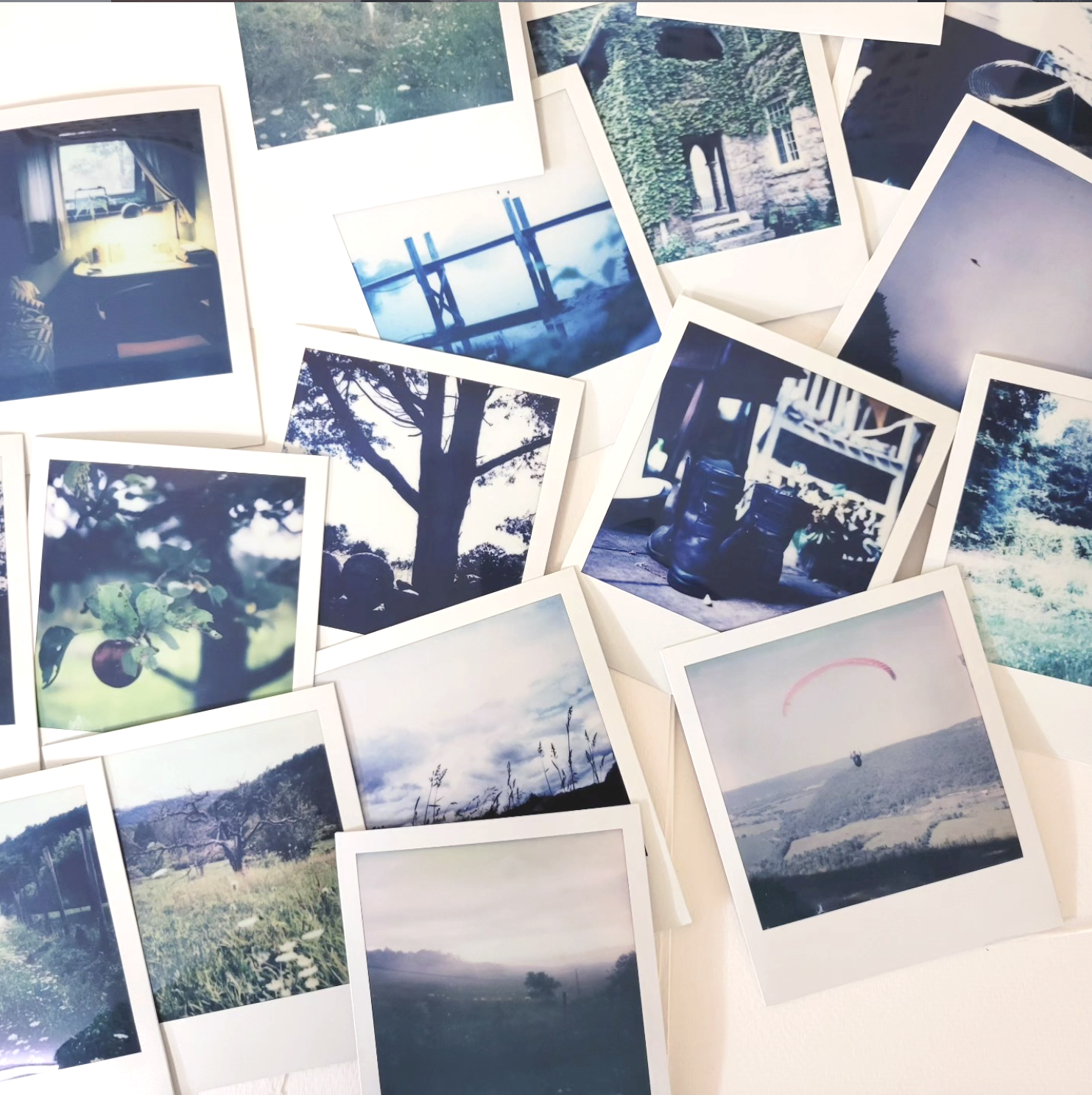
Q: How to organize a body of work? A: A portfolio!
Portfolios can be digital or physical. I keep one or two portfolios going at any given time using this binder. You can get whatever size suits your work, or just save high quality photos of your work into a folder on your computer or a page on your website.
In my own practice, I find that continually updating my portfolio is the way to go. It’s like building your resume: easier to update it as things come up rather than all at once when you’re under a deadline. When I create a new piece that I feel is very well done, I’ll add it to the binder. Every so often, I go through all the pages and pull out the work that no longer holds up with the rest of the work. When I plan on showing the portfolio to someone, I will first organize it so the photos are in a pleasing and compelling order. I do this because you never know when you might want to show someone your portfolio, and you want to be ready and have your best work at hand if someone asks to see it.
There are many reasons why a portfolio comes in handy. In my experience, I’ve had to submit work samples on applications for grants and artist residencies. If you’re interested in having your work shown in commercial galleries, it’s so much better to bring physical work that the gallerist can hold and look at closely rather than showing them your Instagram page on your cellphone. If you’re a student, a portfolio can be your ticket into the college of your choosing. If you’re a professional, a portfolio can help you ace that job interview and land the career you were hoping for.
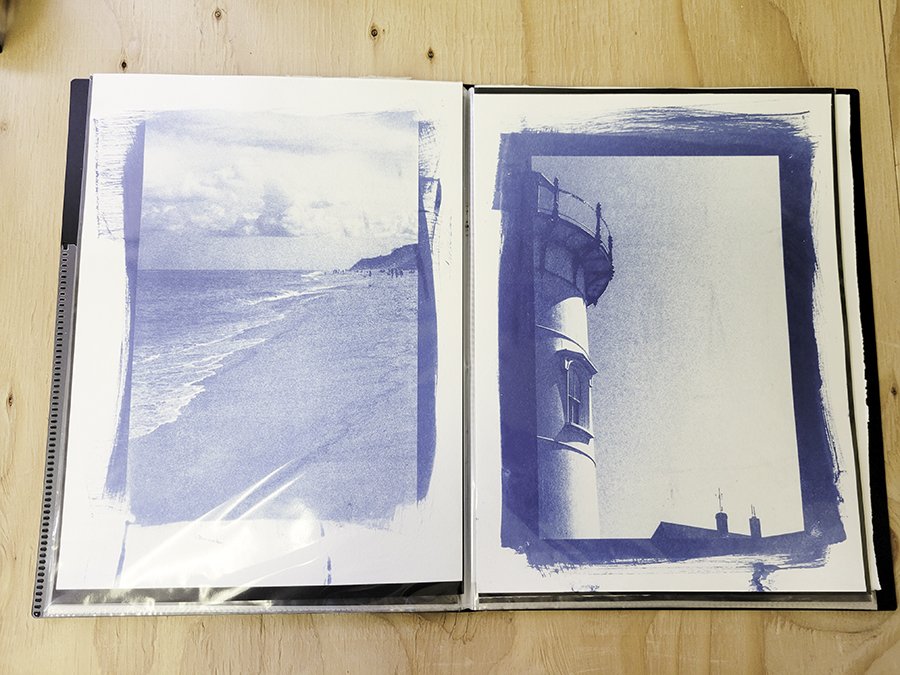
A section of my portfolio, featuring two recent cyanotypes.
The work you put into your portfolio may be determined by the audience who will be viewing it. It may be appropriate to show work similar to what you would be creating using a grant or residency. You may just want a collection of your favorite and strongest pieces to show a gallerist. A student portfolio will likely show work made under the direction of a teacher. And a professional portfolio will probably contain examples of the type of work you want to be doing in your career.
Regardless of why you’re creating one, just about everyone can benefit in some way from having a portfolio. Showcasing your best work is an important part of the artist’s life and has a multitude of advantageous impacts. Best of all, putting one together doesn’t have to be stressful.
So what are you waiting for? Get started on yours today!