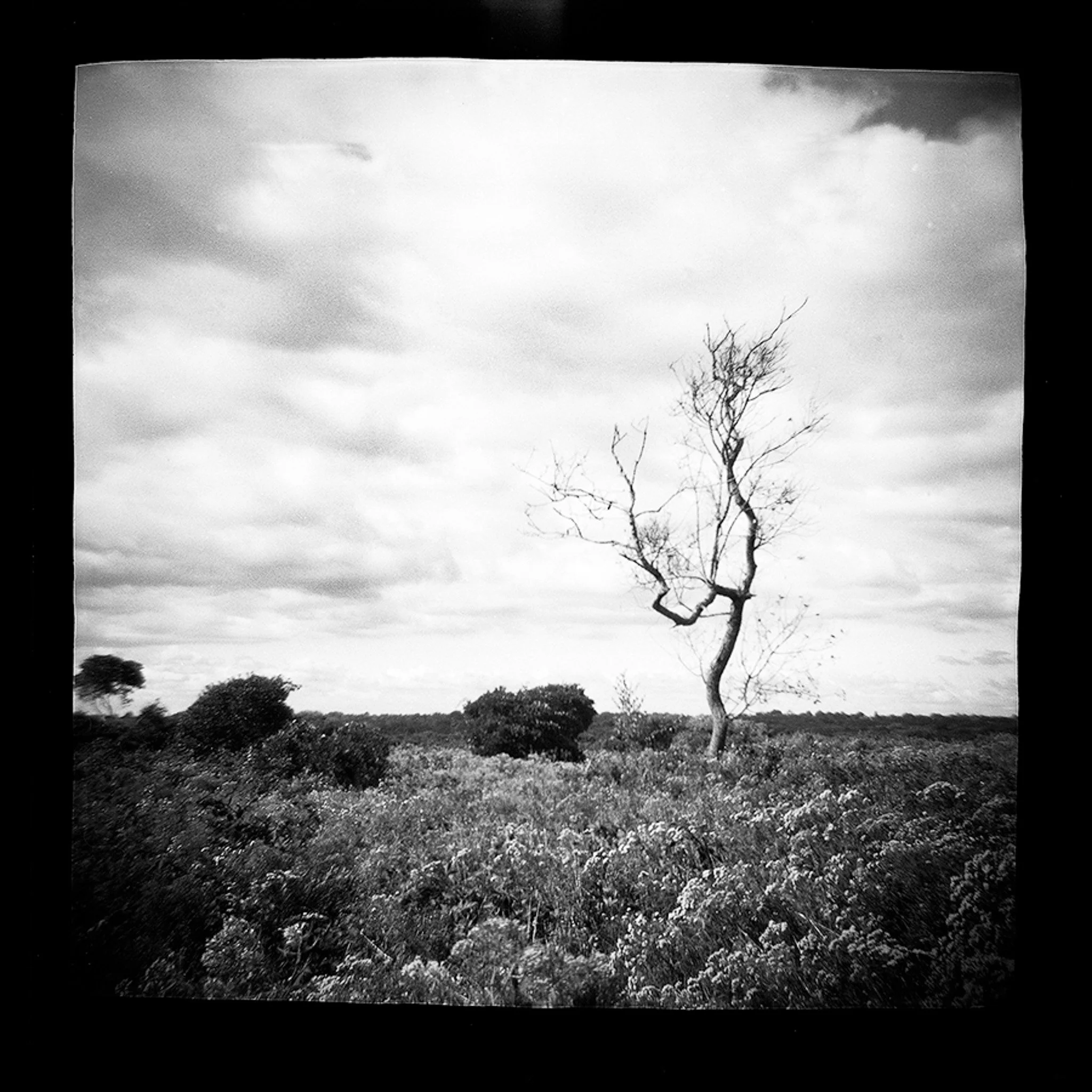
Test Rolls: Diana 120 Camera Review
Diana cameras were first manufactured in the 1960’s as a toy. However, with the creation of more high-tech but still easy-to-use cameras, production ceased as interest waned. In recent years, Lomography has created a new version, called the Diana F+. Dianas have become something of a cult hit for those photographers who want to experiment and don’t mind a more artsy photo. What do I mean by “artsy”? Read on to find out.
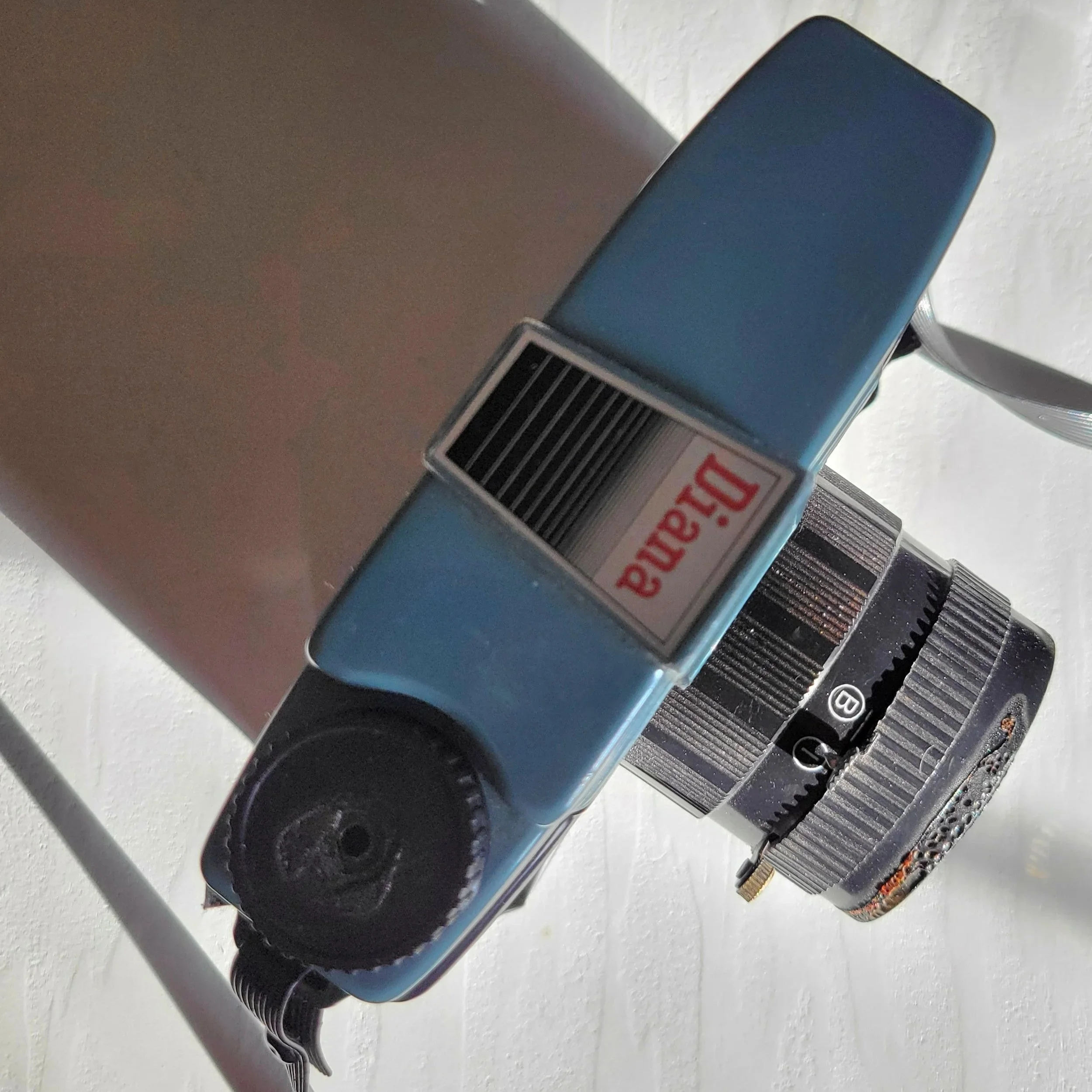
My Diana camera. Note the burnt lens - this camera has seen some things.
I’m fortunate to own an original 60’s Diana. Mine certainly has some history with some cosmetic pieces missing and what looks like burn marks on the lens. I didn’t know the previous owner, so I guess I’ll never know what happened with this camera. That being said, to a certain extent, I feel that I can rely on this camera.
It’s worth noting that Diana cameras are designed for use with ISO 400 film. Under the right conditions, I just adore the photographs that my Diana takes. There are settings for full clouds, partial clouds, and full sun. From all my time using this camera, the light settings really seem to work and I can use the camera even on cloudy days.
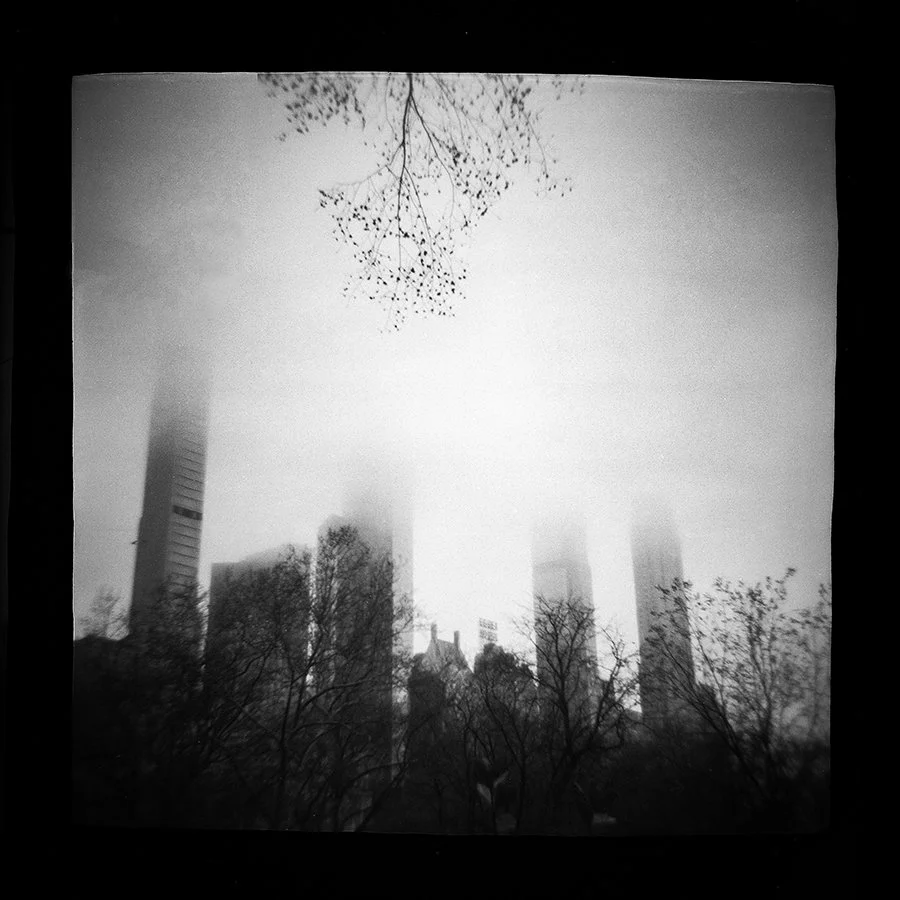
Dianas can handle fog.
Note that all images shown in this post were shot on JCH Streetpan 400 film.
I can also change the camera from the I or N setting to B, I being normal mode which functions at approximately 1/60th of a second, and B being Bulb mode, in which the shutter stays open for as long as you hold down the shutter button. But with how low tech this toy camera is, the shutter doesn’t always function at the speed that’s advertised, so be warned that some of your images may not come out. I also only recommend using Bulb with great care, as my particular camera does not have a tripod mount. If you buy one of the new Lomography models, they can be used with a tripod.
In addition to the above settings, you can specify your focal length with the following options: 4-6ft, 6-12ft, 12ft-infinity. It can be a guessing game to figure out which focal length to use, and my biggest complaint is that you can’t get closer to a subject than 4ft. Therefore, I’ve had some photos come out with the focus in the wrong place.

Dianas can handle sunset.
So, back to the top–what about those artsy photos?
Dianas are susceptible to the occasional light leak, even despite me sealing the seams with electrical tape. They tend to have a softer focus. There is some strong vignetting. My camera is a 120 Diana, and the exposed photograph is slightly smaller than the actual frame. When I scan the images, I like to leave the black border around the edges, which gives it a nice aesthetic. The photos that come out of the Diana tend to be dreamy, sometimes dramatic. You often don’t get quite what you imagined, so you have to be accepting of any outcome and welcome a game of chance.
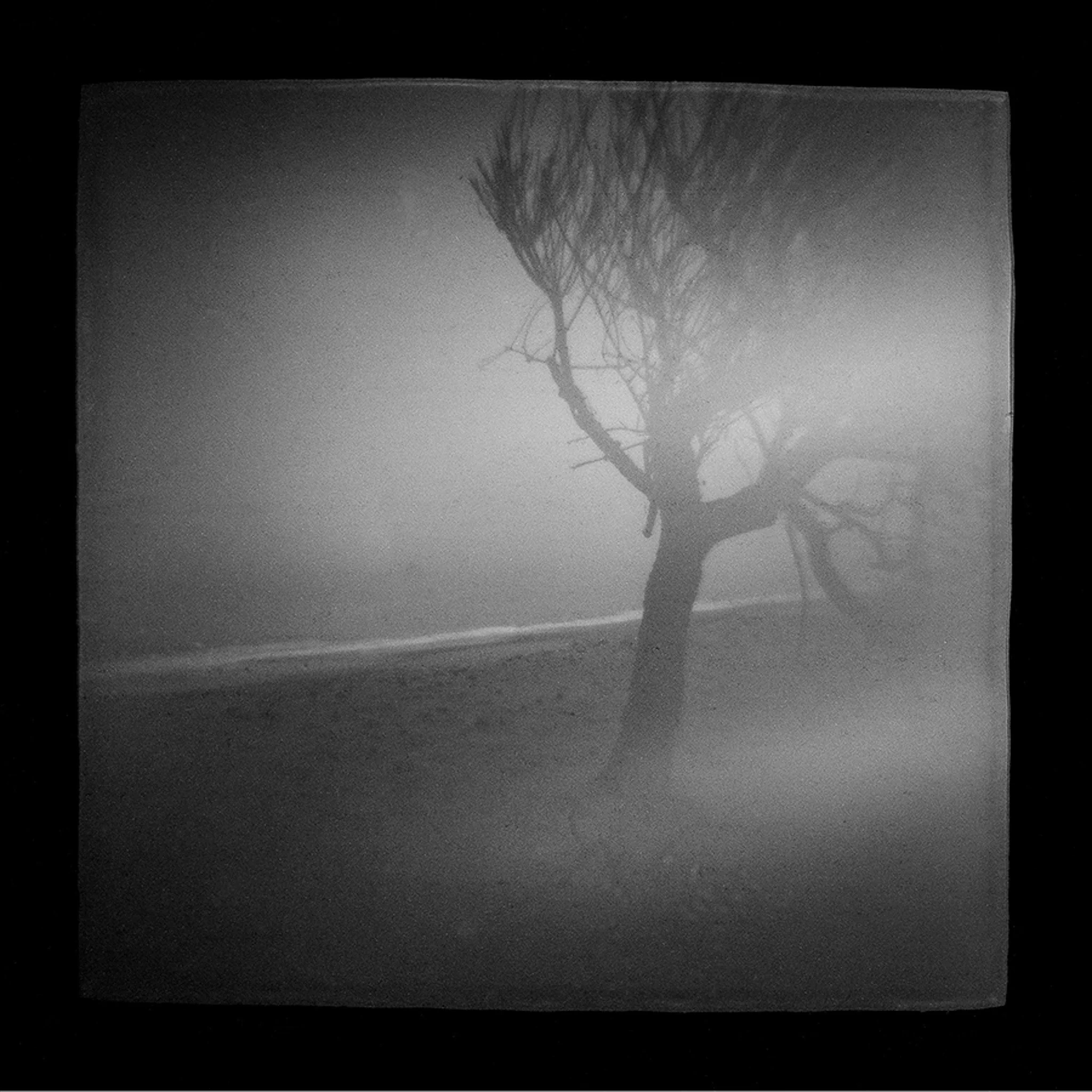
Classic Diana light leaks!
If you’re willing to take the chance that not all of your photos will come out perfectly, are willing to give up the control of manual settings and using a camera in low light, and if you also love this artsy aesthetic, then I definitely recommend the Diana. And you can’t beat the price! Even today, these cameras are pretty inexpensive. It’s the film cost you have to watch out for, but if you know, you know.